
 By
By 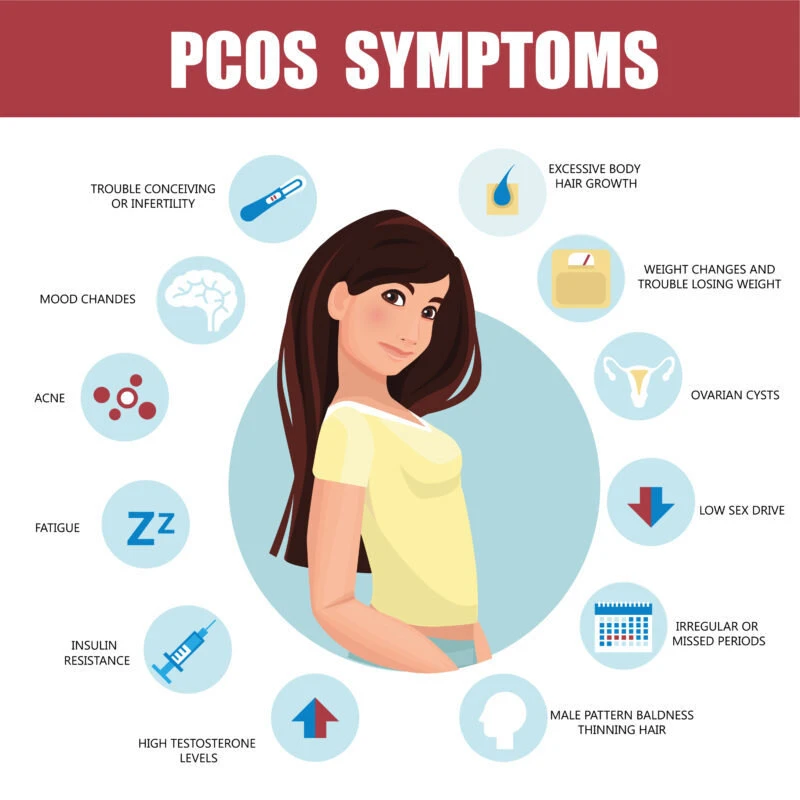
Polycystic ovary syndrome-PCOS
What is PCOS-poly cystic ovary syndrome?

Polycystic ovarian syndrome-PCOS is the most common female hormonal disorder and the primary cause of infertility.
About 30% of women are experience some symptoms of the disorder. The cause of PCOS is not clearly understood, but it’s complex genetic disorder, imbalance of mainly two hormones estrogens and progesterone. The exact cause of PCOS is unknown early diagnosis and treatment with discipline lifestyle may reduce the risk of long term complications such as; Type 2 diabetes and heart diseases.
It is the most common health issue women face today; nearly 30% of women between ages of 12-45 years face this issue all over world.
Causes of PCOS:
The cause of PCOS is not clearly understood, but genetics and family history are important factors.
-
Family history
Family members of woman who have PCOS are also at higher risk for developing the same menstrual abnormalities.
-
Hormone levels
- Insulin resistance
60-70% of women with PCOS have insulin resistance or high insulin. Insulin resistance means body (pancreas-which release insulin) has to produce extra insulin to control the sugar in the blood, and this high level insulin is directly interfere to women ovaries to produce too much testosterone.
And this will affect on menstrual cycle; irregular and unpredictable.
Due to insulin resistance lead to weight gain and it ultimately make PCOS symptoms worse.
- Raised level of testosterone- male pattern hormone; although all women produce it in little amount
- Increased amount of LUTEINISING HORMONE(LH), this hormone stimulate ovulation but raised level of this hormone have an abnormal effect on ovaries and make cycle irregular
- Increased level of PROLACTIN HORMONE also is one of the causes for PCOS.
But the exact reason why these hormonal changes occur is not known
Symptoms:
- Stop your periods and make them hard to predict, very heavy periods or no periods at all
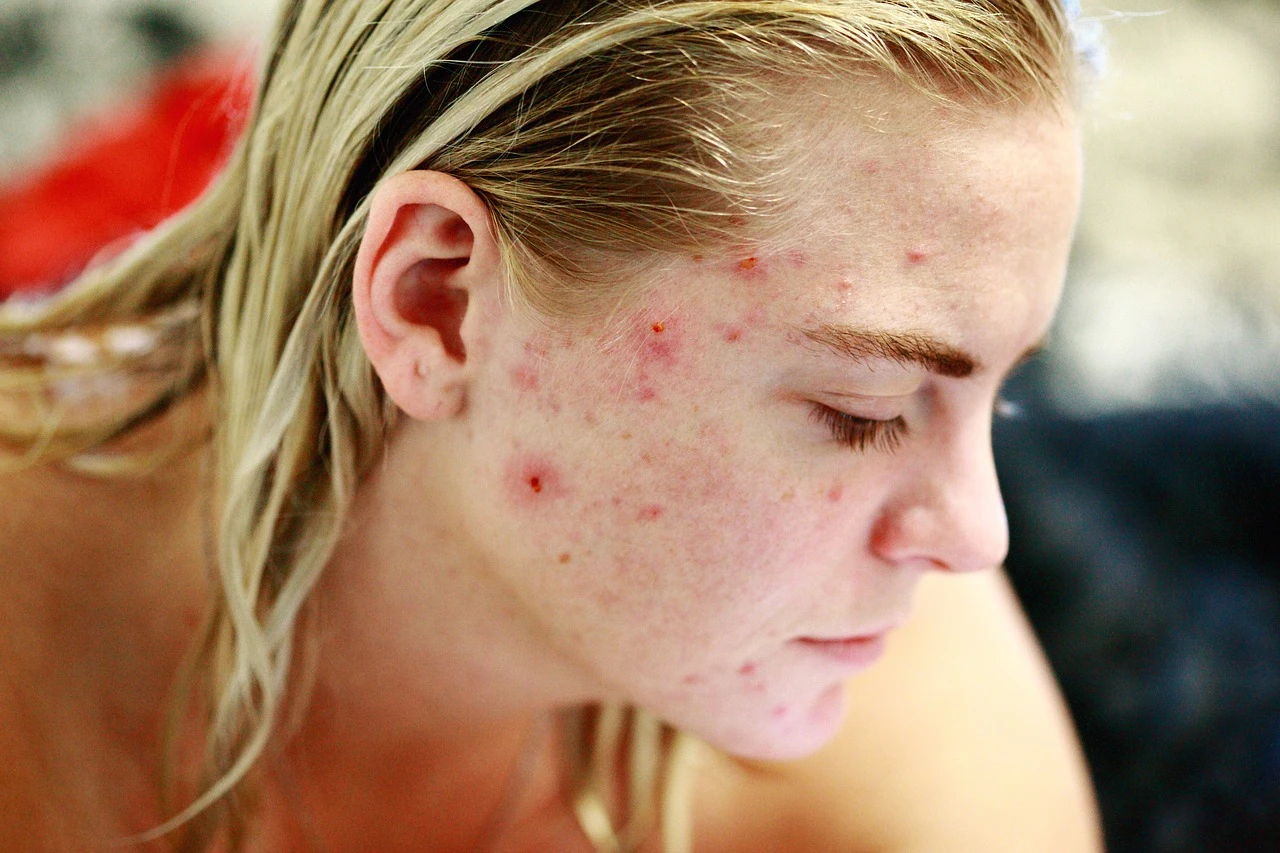
- Acne and oily skin
- unwanted facial and body hair due to high level of androgens
- Cyst on one or both ovaries
- Increase your risk of metabolic diseases like diabetes, heart problems, etc…
- Infertility
- Obesity
- Patches of thicken dark velvety skin
How is PCOS diagnosed?
No one knows the exact reason of polycystic ovary syndrome-PCOS, and so PCOS can be difficult to diagnose. Some tests helps IN diagnosis are
- Blood test; specially numbers of hormones test to find out whether the abnormal hormone production is caused by PCOS,
- Ultrasound scan is also important to diagnose PCOS. It can show you either you have high number of follicles in ovary; polycystic ovaries, which is filled with water.
- Also need a blood test for Diabetes and high cholesterol.
Diagnosis criteria:
- Irregular or infrequent periods- indicate ovaries not release egg regularly
- Ultrasound scan define you have multiple follicle in ovaries filled with water
- Abnormal level of blood hormone levels specially- testosterone
- Male pattern hair on face and body
Treatment:
Treatment of polycystic ovarian syndrome can help you to manage the symptoms and lower your risk of long term diseases like diabetes and heart diseases. Like
- If you want to get pregnant and have trouble to conceive- then treatment will focus on helping you conceive
- You want to treat PCOS related acne- then treatment will be focus on skin problems
Treating PCOS require additional help from diet and lifestyle changes, and that should be your priority. Start lowering your body fat levels and make your ovaries breath.
“Lifestyle modification” is the key.
Lifestyle changes:
In overweight women the symptoms and overall risk of developing long-term health problem from PCOS can be greatly improved by losing excess weight.
Just loss of 5% weight can lead to significant improvement in PCOS symptoms, and can make your body more sensitive to insulin, and lead to more regular menstrual cycles. It also helps in control severe acne, and excess hair growth.
Weight loss is also a first step if you are planning pregnancy. It may improve your chances of getting pregnant by restoring your ovulation and also making your body more responsive to that fertility treatment.
Nutrition strategies for weight loss in PCOS- polycystic ovarian disease:

- Eating fresh food, wholesome food and eating in peace- must follow these three together at every meal
- Nutrition plays a major role to keep your ovaries healthy- so change your current eating habits and follow discipline lifestyle
- Eat lots of vegetables fresh because then only it preserve the nutrients.
- You need carb also; but unprocessed ones like wheat, rice, jowar, bajara, nachni or ragi, barley, etc.
Whole grains carbs give you much needed fiber, which leads to slow and steady rise of blood sugar.
- Eat complete proteins is a must. Add legumes, pulses, milk and milk products, fish, eggs, etc. For complete your protein intake- replace colas with butter milk or lassi;
- Essential fatty acids like Omega-3 and Omega-6, is very crucial in PCOS; you can find it from ghee(clarified butter), oils like groundnut, sesame, sunflower, rice bran, olive oil, coconut oil, etc. But it should be either filter or cold press, stay away from refine version for oils as they are chemically processed and interfere with your ovulation.
- Eat your nuts and seeds regularly, eat germinated if possible; they will help to decrease the glycemic index of food.
- Add flax seeds (alsi), walnuts, peas are rich source of lipoic acid (ALA), it mimic the action of insulin.
- Micro minerals like selenium zinc and chromium helps to improve your body’s insulin sensitivity. Which are majorly found in whole grains so my advice is never go for low carb/low fat diet; because they are actually derivate your essential nutrients that are actually helpful in PCOS.
- Eat often and at home; eat fresh curd, paneer, sprouts, idli (fermented), are important food for ovaries to supply vitamin B12.
- Low haemoglobin level is always a factor with irregular periods, lethargy, and high body fat. So eat your salads, vegetables. Add jaggery in place of refine white sugar.
- In PCOS calcium is required more than normal. That cramps, headache, and fatigue you feel during periods or PMS will reduce if you keep dietary supply of calcium high. Eat your dairy product, seeds and nuts are good source of calcium.
Exercise strategies:
- One of the problems that PCOS patient have is not being able to lose weight easily. Regular workouts are the key to regular periods, means regular ovulation.
- Regular period’s means hormonal harmony in your body means cal mind and good bones and muscle density means high BMR (basal metabolic rate) means low body fat means lean physic.
- Regularity in your workout is key, the point is not to be over-enthu, just be regular.
- Weight training workouts are very important- they help to strengthen all your vital organs like heart, lungs, pancreas, ovaries etc.
- Cardio is another great way to burn fat, so walking, jogging, swimming, cycling are good option for this form. It also strengthens your body and helps improve blood circulation too.
- Yogasanas are brilliant way to balance our entire system, and this balance easily reflects on our hormonal system. Especially pelvic opening asanas.
These forms of asanas help to build strength and flexibility in your pelvic region and are great for ovaries and entire reproductive system.
Start with basic suryanamskar then learn pelvic-opening asanas, Practice a holistic way.
Sleep strategies:

- Sleep at the same time every day and wake up at the same time every day if you are really keen on staying hormonally vibrant.
- Peaceful sleep is also crucial for the absorption of all nutrients in case of PCOS. A regular bed time hour brings calming effect on body, which leads to harmony of the hormonal system. It also crucial for the better absorption of nutrients.
Summary:
- Eat local, traditional and seasonal
- Portion size- eating in the right quantity.
- Food planning- eat fresh, natural, wholesome
- Use filtered or cold-pressed oils
- Exercise regularly- strength exercise, cardio and Yogasanas
- Maintain your bed timings- for peaceful sound sleep for better hormonal harmony.
By these small changes can make big difference in your symptoms of PCOS, lifestyle changes is the very first treatment for PCOS. Weight loss will defiantly improve your overall health; so follow these easy strategies and give me your feedback on comment box below or you can mail me at [email protected] for further consultation.


What do you think?